Men’s Size Guide: How to Choose Between Sizes (S–XL)
If you are between two sizes, the short answer is this: size down for tees and polos, size up for hoodies and overshirts.
That works most of the time. The rest of this explains why, so you can decide for yourself instead of guessing.
There are two sets of measurements, and one matters more
Every product page here lists body measurements and garment measurements. People usually read the first one and stop. It is the second one that decides how the piece will actually look on you.
Body measurements describe you — chest, waist, height. They tell you which size a brand thinks you are.
Garment measurements describe the piece of clothing lying flat on a table: chest width, shoulder width, body length, sleeve length.
The gap between the two is the fit. A shirt with a 56cm flat chest on a man with a 50cm chest is relaxed. The same shirt on a man with a 55cm chest is tight. Same size on the label, completely different result.
For our boxier cuts, the garment number is the one to trust.
How to measure yourself in two minutes
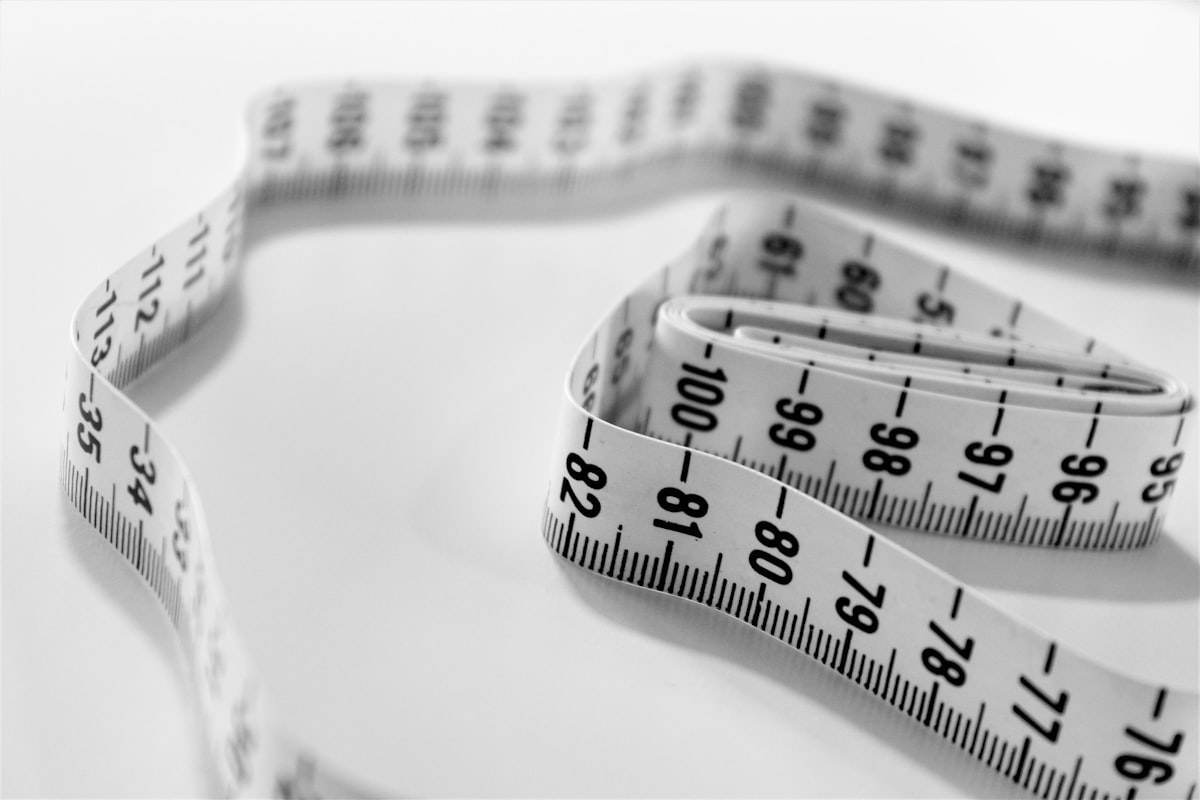
You need a soft tape measure. If you do not have one, use a phone charging cable and a ruler.
Chest: wrap the tape around the widest part of your chest, under your arms, keeping it level at the back. Breathe normally. Do not pull it tight.
Shoulder: measure across your back from the bony point of one shoulder to the other.
Length: from the bottom of your neck at the back, straight down to where you want the shirt to end.
Write the three numbers in your phone. You will use them for years.
The faster method that works better
Take a shirt you already own and love the fit of. Lay it flat. Measure it.
Chest — armpit to armpit, then double it. Length — collar to hem. Shoulder — seam to seam across the top.
Now compare those numbers to the garment measurements on the product page. This works better than body measurements because you are comparing a shirt to a shirt, and you already know how that shirt feels on you.
What a dropped shoulder means for your size
A lot of our pieces have a dropped shoulder — the shoulder seam sits down on your upper arm instead of on the actual corner of your shoulder.
This is a design choice, not a sizing mistake. It makes the whole piece hang straighter and look more relaxed.
It also means the shoulder measurement will look too wide compared to a normal shirt. Do not size down to fix it — you will end up with something short in the body and tight across the chest. Trust the chest and length numbers instead.
Should I size up or size down?
Size down if you want it to look clean and intentional. Tees and polos usually look better with less extra fabric. If you are near the top of a size range, stay in that size.
Size up if you want the oversized drape. Our hoodies and overshirts are already cut with room, so going up one adds real volume. Do this on purpose, not by accident.
Layering is its own case. If an overshirt is going over a hoodie, size up — the overshirt needs to clear what is underneath without pulling at the shoulders.
Still not sure
Message the style assistant in the corner of the screen. Tell it your usual size and which piece you are looking at. It only suggests from what is actually in stock, so it will not recommend something you cannot buy.